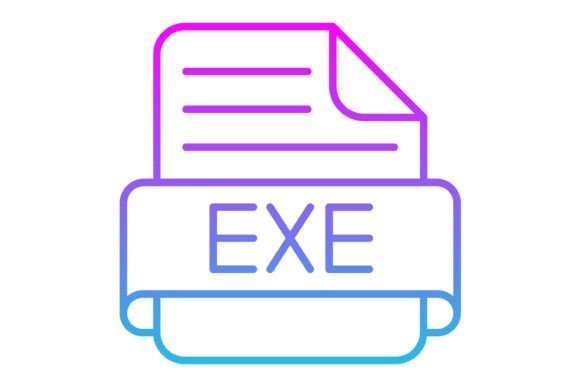
Understanding the Exe File Line Gradient Icon: A Modern Visual Essential
In the digital landscape, visual shorthand is power. The Exe File Line Gradient Icon represents more than just a file format; it symbolizes the executable nature of applications, installers, and software processes. As user interfaces become more streamlined and cross-platform usage becomes the norm, the demand for versatile, high-quality vector graphics has surged. This specific icon style—characterized by clean lines and subtle gradients—bridges the gap between minimalist design and functional clarity.
The Evolution of File Icons in Modern Workflows
Icons have evolved from simple, pixelated images to sophisticated vector assets that must perform flawlessly across a myriad of devices. The shift towards line gradient styles reflects a broader trend in UI/UX design: users prefer interfaces that feel both lightweight and premium. A flat icon might lack depth, while an overly complex graphic can clutter a mobile screen. The line gradient approach offers a middle ground, providing visual hierarchy and modern aesthetics without sacrificing load times or usability.
For professionals and creators, this evolution means rethinking asset libraries. It is no longer sufficient to have icons that only work in one context. A developer building a cross-platform application needs assets that look identical on a high-DPI smartphone screen, a web dashboard, and a printed technical manual. The Exe File Line Gradient Icon answers this need by being designed specifically for maximum usability across diverse environments.
Why File Format Versatility Matters
One of the most critical aspects of modern design assets is the delivery method. Providing a single file type creates bottlenecks in production. This is why a comprehensive package, such as a zip file containing 5 different formats, is essential for efficient workflows. The inclusion of AI, EPS, JPG, PNG, and SVG ensures that every stakeholder in a project can access the asset in the format best suited to their tools.
- Vector Formats (AI, EPS, SVG): These are the backbone of scalable design. Whether you are using Adobe Illustrator to tweak anchor points or importing an SVG into a code editor for a responsive website, vector formats ensure the Exe File Line Gradient Icon remains crisp at any size. This is crucial for responsive web design where elements resize dynamically.
- Raster Formats (JPG, PNG): While vectors are ideal, sometimes static images are necessary. The inclusion of PNG with a transparent background is particularly valuable for layering icons over different backgrounds in presentations or marketing materials. JPGs offer a lightweight alternative for contexts where transparency isn't required.
This multi-format approach respects the reality of modern creative suites. A freelance designer might hand off SVG files to a developer, while a marketer uses the PNG version for a slide deck. By packaging these together, the asset becomes a universal tool rather than a siloed graphic.
Practical Applications: From Mobile Apps to Print Media
The utility of the Exe File Line Gradient Icon extends far beyond simple decoration. Consider the following practical scenarios where this asset proves its value:
- Mobile App Development: In mobile interfaces, clarity is paramount. A line gradient icon helps users quickly identify executable files or installation processes without adding visual noise to the UI. The vector nature ensures it scales perfectly on both iOS and Android devices.
- Website and Dashboard Design: For web applications, particularly those involving file management or developer tools, this icon serves as a functional indicator. Using SVG formats allows for CSS styling, enabling developers to change colors or animations on the fly to match the site's theme.
- Technical Illustrations and Templates: Educators and technical writers often need to depict software processes. A high-quality vector icon allows for clear labeling in textbooks, manuals, or online course templates. The scalability ensures the icon remains legible even when printed at large sizes.
- Corporate Presentations: Business owners and marketers can use these icons to visually represent technical capabilities in pitch decks or reports. The professional gradient style conveys a sense of modernity and technical competence.
Designing for Usability and Scalability
The promise of 100 vector icons in a single package suggests a comprehensive library designed for consistency. When building a brand or a product, visual consistency is non-negotiable. Using mismatched icons from different sources can make a project look amateurish. A cohesive set ensures that the Exe File Line Gradient Icon matches other file type icons (like PDF, DOC, or ZIP) in style and weight.
Furthermore, the feature of being easy to edit and scale is not just a technical specification—it is a workflow enabler. For creators working under tight deadlines, the ability to quickly adjust the gradient colors or line thickness to match a specific brand palette saves valuable time. This flexibility makes the asset "ready to use" in the truest sense, minimizing the friction between acquiring the asset and deploying it.
Aligning with Current Design Trends
Current design trends favor subtle complexity. The "flat design" era has matured into a phase where depth and dimension are reintroduced, but with restraint. Gradient lines offer a sophisticated way to add depth without the heavy rendering of skeuomorphism. This style aligns with the aesthetic preferences of modern users who are accustomed to high-resolution displays and polished software environments.
Moreover, as businesses increasingly adopt digital-first strategies, the need for professional-grade assets grows. Whether it is a startup launching an app or an enterprise updating its internal tools, the visual language must communicate reliability. The Exe File Line Gradient Icon fits this narrative perfectly, offering a blend of technical precision and aesthetic appeal.
Ultimately, the value of this icon set lies in its ability to serve as a foundational element in a wide array of projects. It is not merely a graphic; it is a utility designed to enhance communication, streamline workflows, and meet the high expectations of today's digital audience.