The Ultimate Guide to Using the Wallet Outline Icon in Modern Digital Design
In the bustling world of digital design, clarity is currency. Whether you are building a fintech startup, designing a sleek e-commerce checkout page, or creating a financial literacy presentation, the visual language you choose dictates how users interact with your product. At the heart of this interaction lies the iconography. Specifically, the Wallet Outline Icon has emerged as a universal symbol for finance, transactions, and digital assets. However, having a symbol isn't enough; you need the right assets that integrate seamlessly into your workflow. This is where high-quality, multi-format icon packs become indispensable for designers and developers alike.
Why Iconography Matters More Than Ever
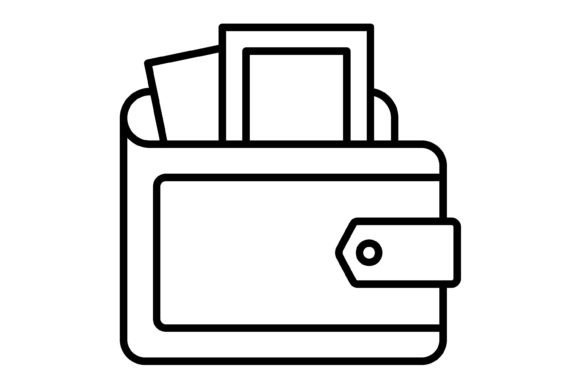
Consider the user journey. A user opens an app to check their balance. If they see a confusing, pixelated, or stylistically jarring image representing their money, trust erodes instantly. We live in an era of "micro-interactions," where every pixel contributes to the overall user experience (UX). The Wallet Outline Icon serves a specific purpose: it communicates the concept of holding value without adding visual clutter. Outline icons, in particular, have gained popularity because they offer a minimalist, modern aesthetic that pairs well with flat design and material design principles. They allow the content to breathe, ensuring that the interface doesn't feel heavy or overwhelming to the end-user.
The Power of File Format Diversity: AI, EPS, JPG, PNG, and SVG
One of the most significant pain points for creative professionals is file compatibility. You might design a beautiful interface in Adobe Illustrator, only to find that the developer needs a specific format for the code, while the marketing team needs another for a print flyer. A professional-grade Wallet Outline Icon pack solves this by offering five distinct formats: AI, EPS, JPG, PNG, and SVG.
Vector vs. Raster: Understanding the Basics
To truly utilize these assets, it helps to understand the difference between vector and raster files.
- AI and EPS (Vector): These are the gold standards for creation. Adobe Illustrator (AI) and Encapsulated PostScript (EPS) files are vector-based. This means they use mathematical equations to draw lines, allowing you to scale the Wallet Outline Icon from the size of a postage stamp to the size of a billboard without losing a single pixel of quality. If you need to change the color of the wallet or adjust the stroke weight, these are the files you use.
- SVG (Scalable Vector Graphics): This is the web developer’s best friend. SVG is an XML-based vector image format. Unlike AI files, SVGs can be rendered directly in web browsers. They are lightweight, load quickly, and can be manipulated via CSS and JavaScript. If you want the Wallet Outline Icon to change color when a user hovers over it, SVG is the format to choose.
- PNG (Portable Network Graphics): This is a raster format, but it is crucial for its support of transparency. The "Transparent Background" feature of a PNG allows the Wallet Outline Icon to be placed over any colored background or image without a white box surrounding it. This is essential for layering elements in web design or presentations.
- JPG (Joint Photographic Experts Group): While JPGs do not support transparency, they are universally compatible and offer excellent compression for photographic content. For quick mockups, mood boards, or social media posts where file size is a priority and transparency isn't needed, the JPG version of the Wallet Outline Icon is highly practical.
Seamless Integration Across Platforms
The modern creative workflow is rarely confined to a single device. You might sketch an idea on an iPad, refine it on a desktop workstation, and present it to a client on a laptop. The versatility of a high-quality Wallet Outline Icon ensures that your workflow remains unbroken.
Mobile Apps and Responsiveness
In mobile UI design, space is at a premium. Icons must be legible on small screens. Because this icon pack is designed for "maximum usability," the lines are crisp and distinct. When using the SVG format for mobile apps (whether native iOS, Android, or cross-platform frameworks like Flutter or React Native), the Wallet Outline Icon ensures fast rendering and low battery consumption compared to heavy image files.
Web Design and SEO
Website speed is a ranking factor for Google. Using optimized SVGs for your Wallet Outline Icon helps keep your page load times low. Furthermore, using semantic HTML with your icons (such as adding descriptive alt text or aria-labels for screen readers) improves accessibility, making your site more inclusive and SEO-friendly.
Print and Presentations
Imagine you are pitching a new budgeting tool to investors. Your slides need to look professional. Using a low-resolution image will result in a blurry, pixelated mess when projected on a large screen. By utilizing the AI or EPS vector files, your Wallet Outline Icon will remain razor-sharp, regardless of the projector's resolution. Similarly, for print materials like brochures or business cards, vector formats ensure the ink bleeds perfectly along the edges of the design.
Practical Applications: Where to Use the Wallet Outline Icon
The utility of a wallet icon extends far beyond banking apps. Its versatility allows it to fit into various industries and creative projects. Here are a few scenarios where this icon shines:
- E-Commerce Checkout: Use the Wallet Outline Icon as a visual cue for the payment section. It instantly tells the user, "This is where you manage your funds."
- Personal Finance Blogs: Writers can use the icon as a separator or a feature image header to denote articles about saving money or budgeting.
- Crypto and Blockchain: In the world of decentralized finance, the wallet is the key. This icon is perfect for representing digital wallets where users store their tokens.
- Inventory Management Systems: In B2B software, the icon can represent "Assets" or "Company Funds."
- Educational Templates: Teachers creating worksheets about economics can drop the PNG version directly into their documents.
Design Features: Why "Outline" and "100 Vector Icons" Matter
The decision to use an outline style (line icon) rather than a solid fill is a deliberate design choice that favors modern trends. Outline icons feel lighter and more airy. They are less aggressive than solid icons, making them suitable for user interfaces where the goal is to guide, not shout.
Furthermore, the inclusion of "100 vector icons" in a pack suggests a comprehensive ecosystem. A Wallet Outline Icon rarely travels alone. It is usually accompanied by related symbols like credit cards, cash stacks, coins, receipts, and bank buildings. Having a consistent set ensures that your visual language is coherent. If your wallet icon has rounded corners and a 2px stroke, your credit card icon should match perfectly. This consistency is what separates amateur designs from professional, polished products.
Editing and Customization
No two brands are the same. Your brand colors might be neon green and charcoal, while the icon pack comes in standard black. This is why "Easy to edit and scale" is a critical feature. With the vector files provided (AI and EPS), you have complete control. You can ungroup the elements of the Wallet Outline Icon and modify them. Perhaps you want to add a small lock symbol to the wallet to signify security? Or maybe you want to adjust the corner radius to match your app's specific design system? Vector files give you the freedom to make these tweaks without starting from scratch.
Optimizing Your Workflow
Adopting a new asset pack should speed up your process, not slow it down. To get the most out of your Wallet Outline Icon set, consider these workflow tips:
- Create a Style Guide: As soon as you download the files, define the hex codes you will use for the icons. Stick to these colors throughout the project.
- Organize Your Assets: Keep the ZIP file extracted in a structured folder system. Separate the SVGs for web, the PNGs for social, and the Vectors for print.
- Test for Accessibility: Before finalizing, test the Wallet Outline Icon against different backgrounds to ensure the contrast ratio is high enough for visually impaired users.
Conclusion
The Wallet Outline Icon is more than just a drawing of a billfold; it is a tool for communication. By providing this asset in AI, EPS, JPG, PNG, and SVG formats with a transparent background, you are equipped to handle any creative challenge, from mobile app development to high-stakes presentations. It represents the intersection of aesthetic appeal and technical utility, ensuring that your projects look great and function flawlessly across all devices and platforms. Whether you are a seasoned developer or a freelance designer, integrating these scalable, editable vectors into your toolkit is a smart investment in quality and efficiency.